English text below.
Die Wurzeln: Von der Subkultur zur Struktur
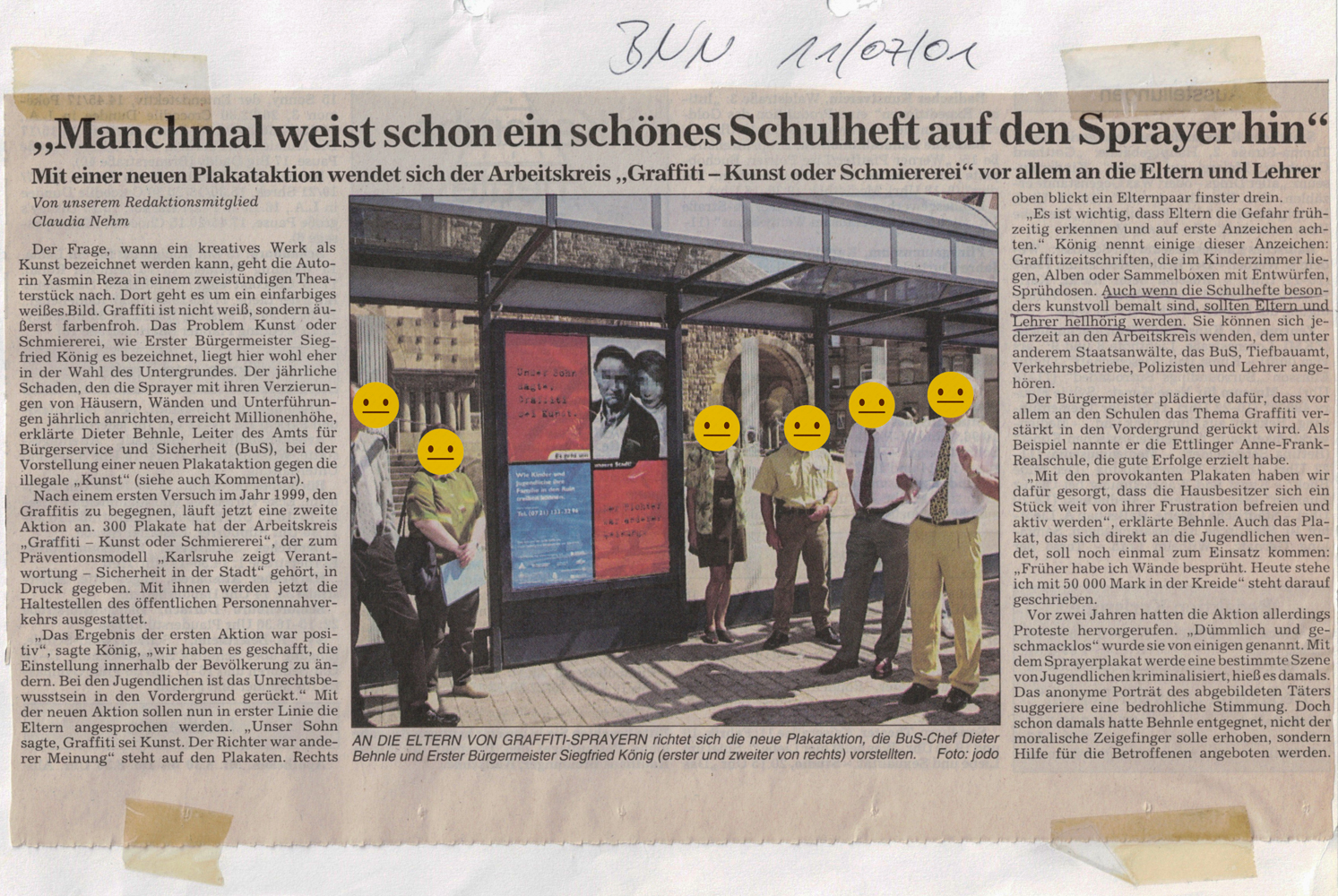
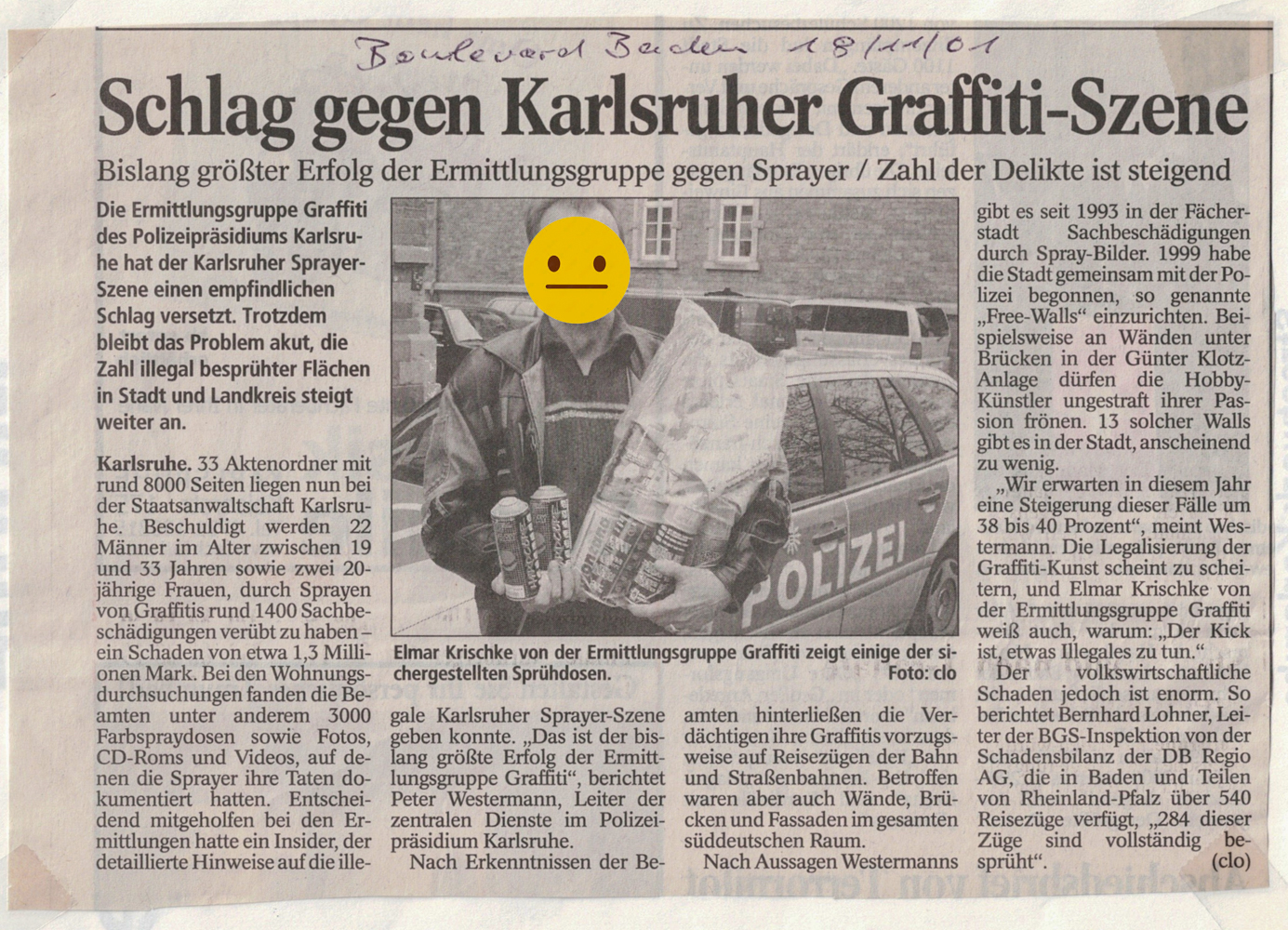
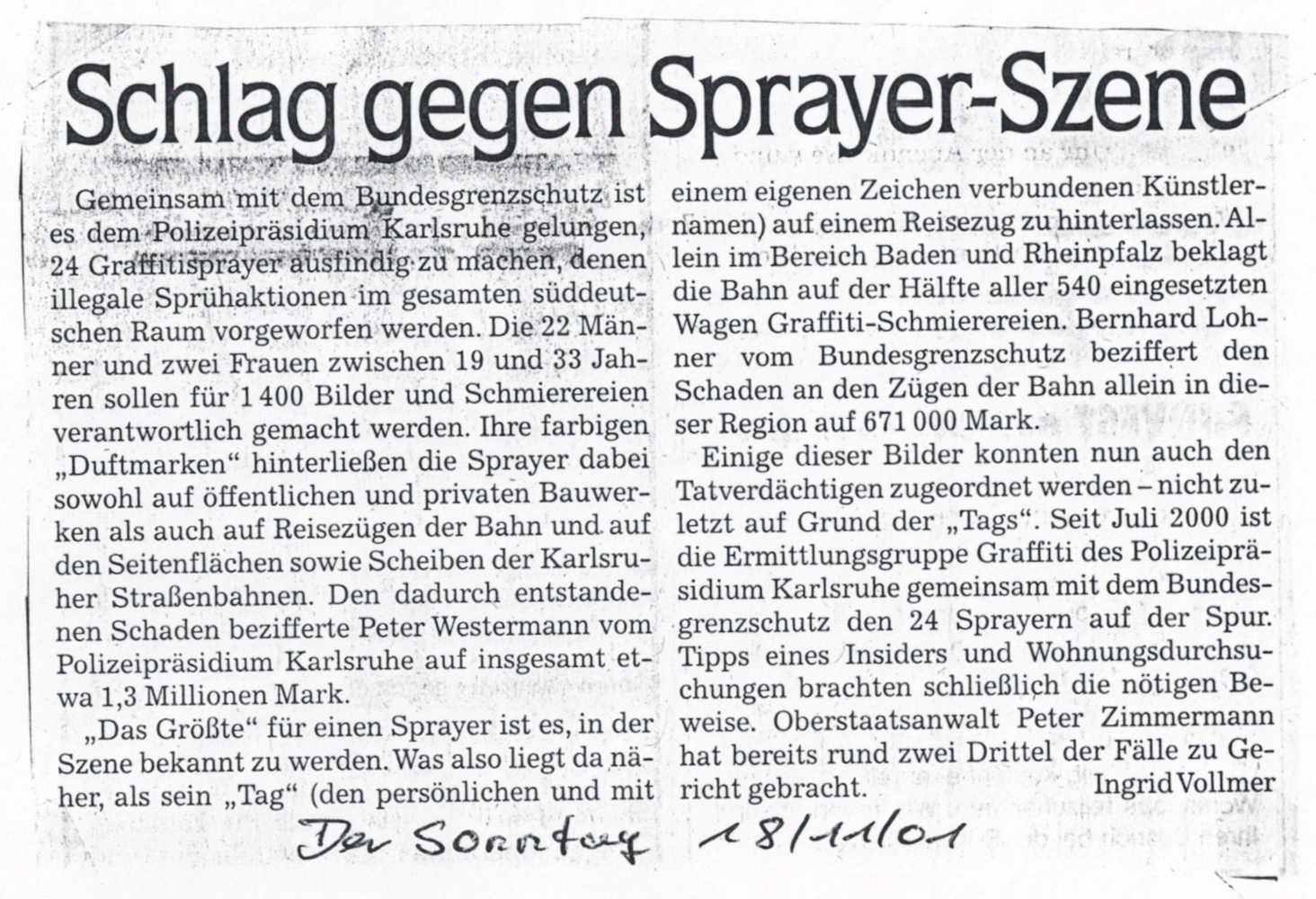
Bevor der Verein offiziell existierte, war Karlsruhe bereits Schauplatz einer aktiven Graffiti-Szene. Was Mitte der 80er-Jahre klein begann, entwickelte sich bis Ende der 90er zu einer prägenden Subkultur. Doch mit der steigenden Präsenz im Stadtbild wuchs auch der Druck: Eine polizeiliche Sonderkommission (SoKo) und öffentliche Kampagnen kriminalisierten die Graffitikultur in der Stadt.
Gründung als Antwort (2001)
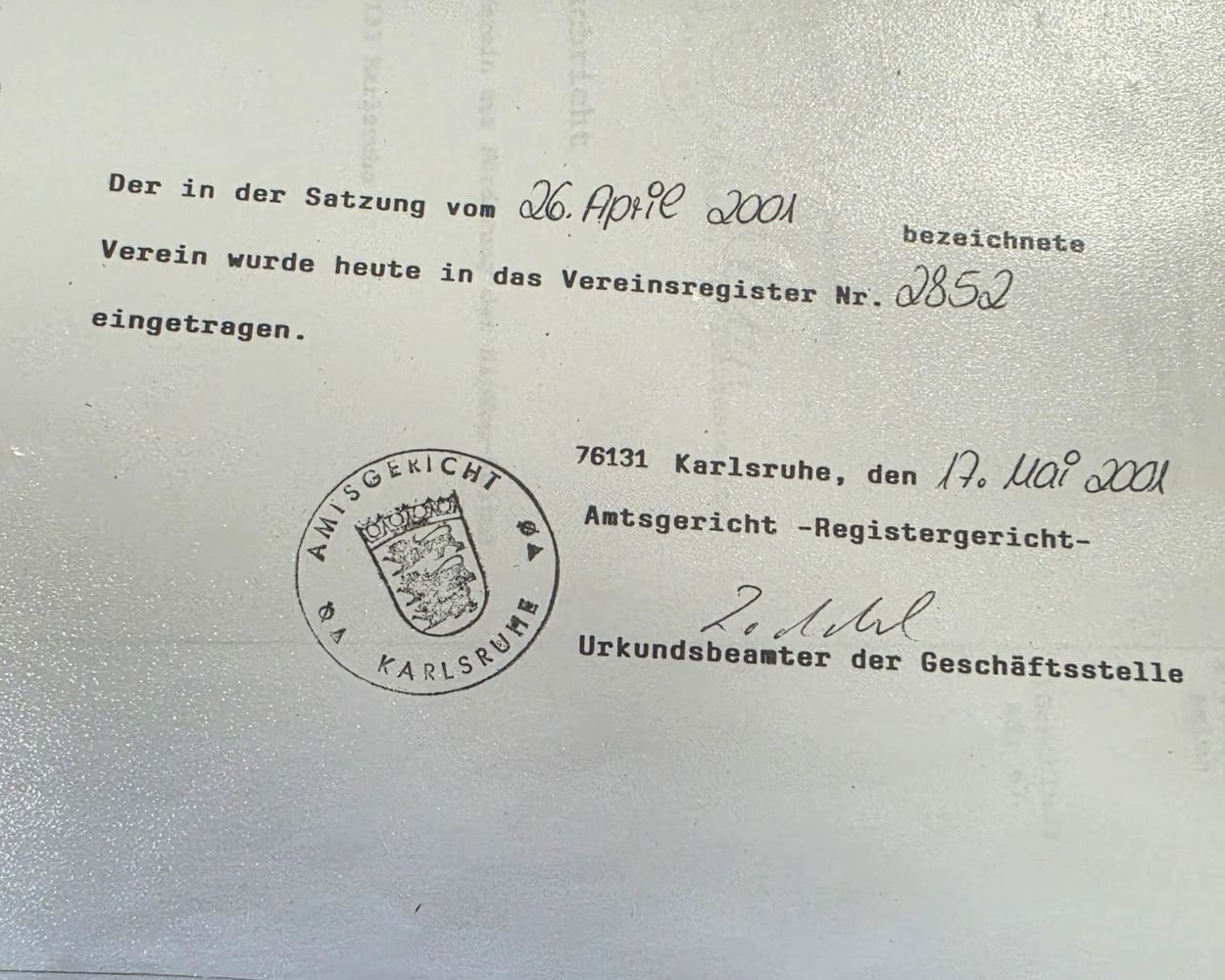
Als Reaktion auf diesen Repressionsdruck und willkürliche Hausdurchsuchungen wurde am 26. April 2001 der Verein gegründet, um der Szene eine Stimme zu geben.
Zunächst als „Verein zur Förderung der Graffitikunst“, später zur Förderung der gesamten „Hip-Hop-Kultur“ und heute schlicht als Farbschall e.V. So halten wir das Spektrum maximal offen – wobei Graffiti und Breaking nach wie vor unser Herzstück bilden.

Unsere Philosophie: Alltag statt Klischees
Farbschall möchte kein Verein für „Weekend Warriors“ oder reine Event-Kultur sein. Wir versuchen vielmehr, nachhaltige Strukturen im Hintergrund zu stärken. Unser Ziel ist ein sozialer, unabhängiger und möglichst niedrigschwelliger Alltag für alle, die sich in dieser Kultur zu Hause fühlen – unabhängig von Niveau, Finanzen oder Herkunft.
- Niedrigschwelligkeit: Wir arbeiten daran, Zugänge für alle zu öffnen.
- Plattform: Wir möchten Raum, Expertise und Austausch nach dem Prinzip „Each One Teach One“ anbieten.
- Gegen Klischees: Wir bemühen uns, ein realistisches Bild von Hip-Hop zu zeichnen – als dynamische und vielfältige Kultur, die sich nicht in enge Schubladen zwängen lässt.
Landmark: 2005 & Das „Team Combo“
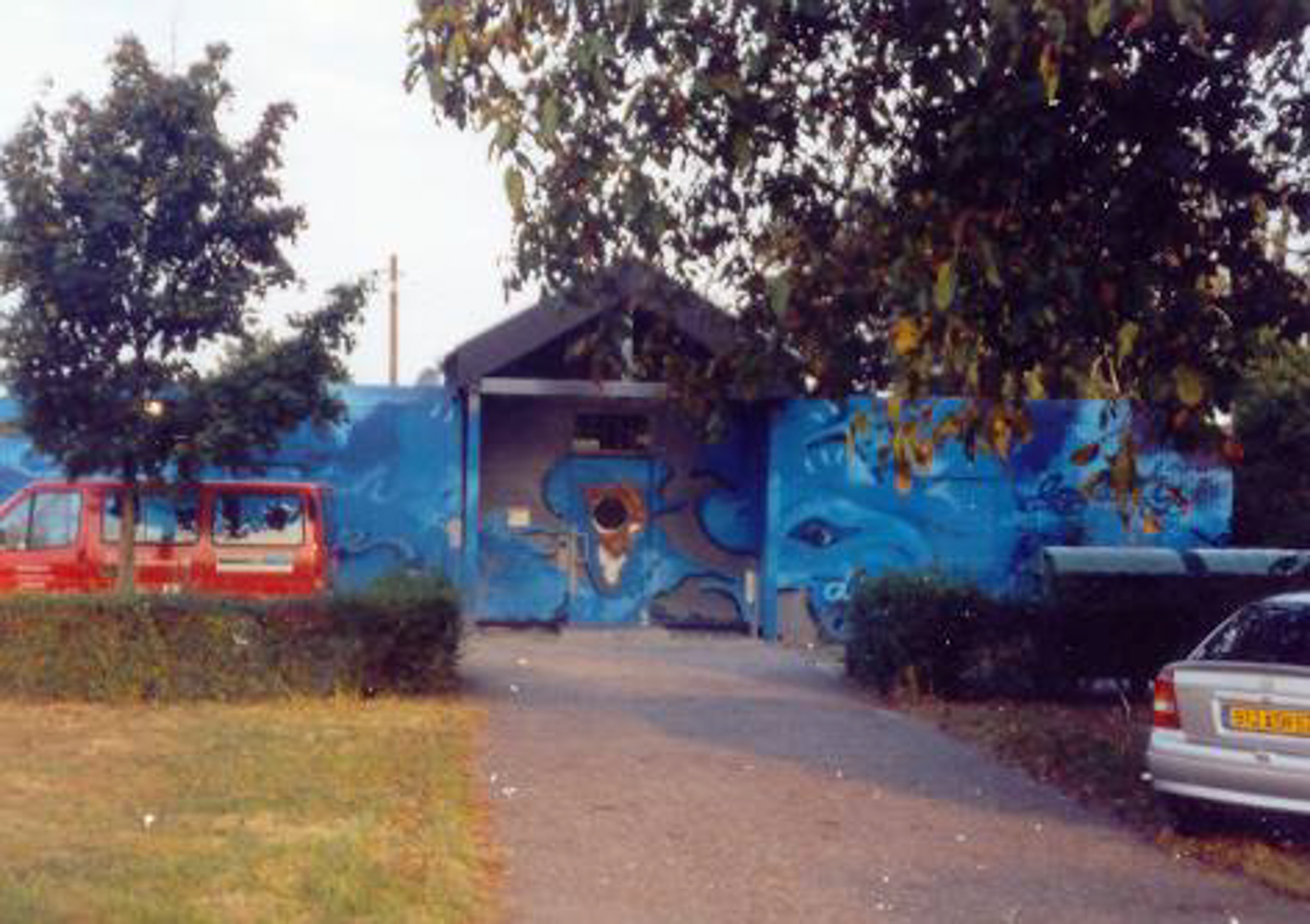
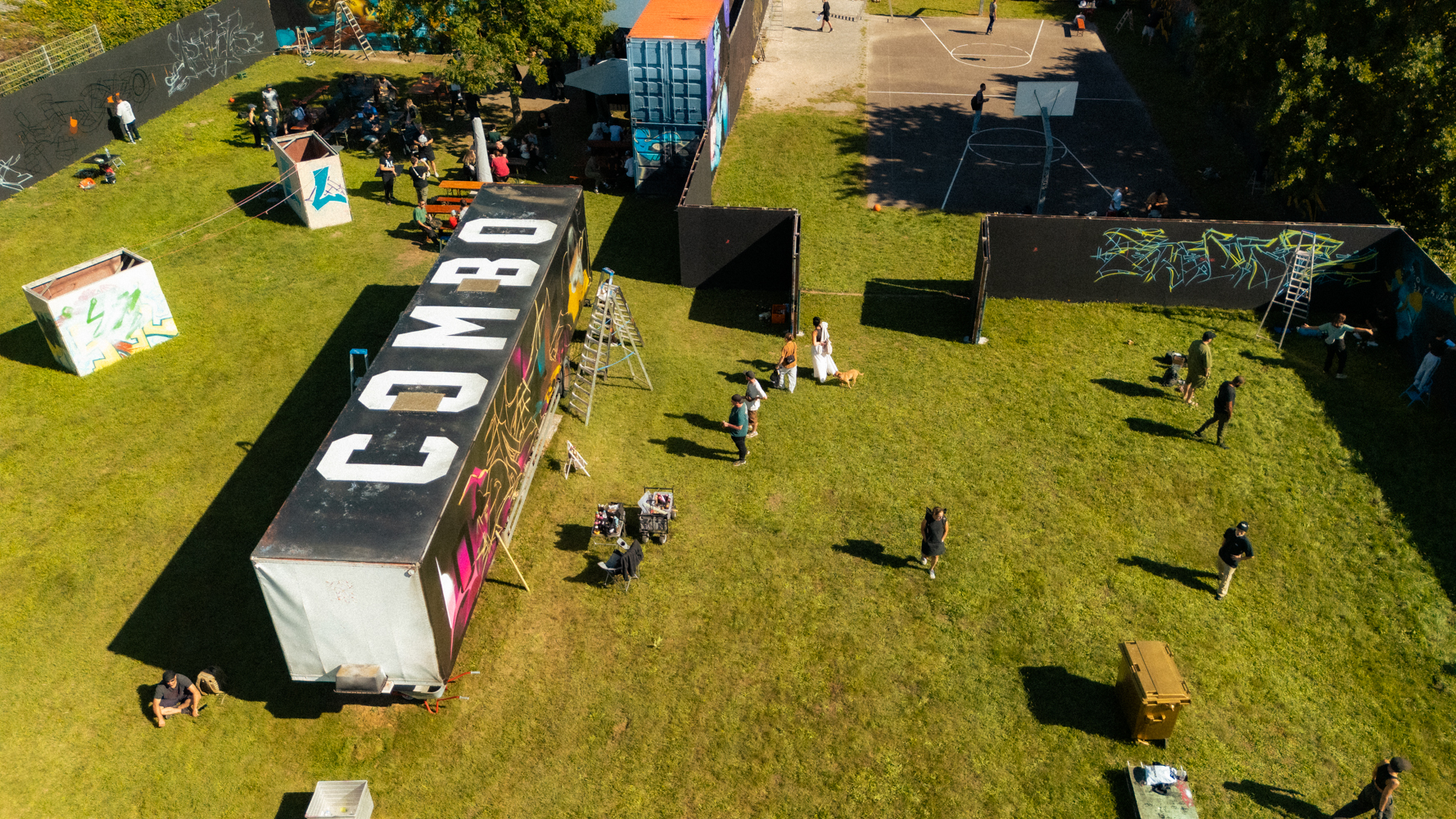
Ein Wendepunkt war die Eröffnung des bundesweit ersten soziokulturellen Hip-Hop-Zentrums „Combo“ in Kooperation mit der Mobilen Jugendarbeit der Sozial- und Jugendbehörde (SJB) der Stadt Karlsruhe. Hieraus entstand das Team Combo.
„Team Combo ist keine Crew und keine Marke. Es ist das Zusammenspiel aus Stadt, Verein und Aktiven der Szene. Farbschall ist ein Grundpfeiler dieser Bewegung, drängt sich aber nie in den Vordergrund – uns geht es um die Verbesserung der Strukturen im Alltag der Menschen, um soziale Gerechtigkeit und das Anrecht auf Räume und Möglichkeiten.“
25 Jahre – 2.500 € für die Community
Am 26. April 2026 werden wir 25 Jahre alt. Anstatt eine große Party für uns selbst zu schmeißen, investieren wir in die Menschen, die unsere Kultur jeden Tag leben. Wir vergeben zum Jubiläum 5 x 500 € an Personen oder Projekte, die wir anhand dieser Kriterien ausgewählt haben:
- Community First: Du machst etwas für die Szene (Graffiti, Breaking, Hip-Hop) oder deine Mitmenschen.
- Anti-Ego: Es geht dir um die Sache, nicht um Selbstdarstellung.
- Sozialer Impact: Du schaffst Möglichkeiten für andere, die es im System oft schwer haben.
- Niedrigschwellig: Du arbeitest dort, wo der Support direkt ankommt – im echten Leben.
Unsere fünf ausgewählten sind:
Together We Stand (Gent, Belgien)
Dieses Kollektiv steht für die pure Essenz von Community-Building im Bereich Breaking und Hip-Hop. Sie konzentrieren sich extrem auf den sozialen Zusammenhalt in der Community. Durch Tanzen Brücken zwischen verschiedenen sozialen Schichten und Herkünften in Gent zu bauen. Sie arbeiten an der Basis („Grassroots“) und fördern den Austausch.
Mittwochs Maler:innen (Köln, Deutschland)
Ein Urgestein der Graffiti-Arbeit, das 2005 als präventives Projekt startete und heute zeigt, wie man Szene-Kultur und politische Bildung auf Augenhöhe vereint. Ihr Schwerpunkt liegt auf Beteiligungsprojekten rund um legale Graffiti-Flächen und der Frage, wie Jugendkultur im öffentlichen Raum Legitimation erfährt. Sie bieten jungen Menschen einen sicheren Raum für kreative Entfaltung und geben wertvolle Tipps zum Umgang mit Repression – ein echtes Rückgrat für die Graffiti-Landschaft.
Mejor Baila (Mexiko-Stadt, Mexiko)
„Mejor Baila“ ist eine Initiative in einer der größten und komplexesten Metropolen der Welt. Sie nutzen Breaking, Streetdance und Graffiti als Präventionsarbeit. Es geht darum, jungen Menschen Stolz und eine Disziplin zu geben, die sie von der Straße holt und ihnen eine Community bietet. Sie arbeiten dort, wo die Hilfe direkt ankommt – im echten Leben der Megacity.
Camps Breakerz (Gaza, Palästina)
In einem Umfeld extremer Krisen nutzen sie Hip-Hop als Werkzeug für Resilienz und Hoffnung. Die Camp Breakerz leisten unter schwierigsten Bedingungen unglaubliche Arbeit, um Kindern und Jugendlichen physische und mentale Freiräume zu ermöglichen. Ein kraftvolles Beispiel für die Stärke unserer Kultur.
Korean Roc (Onyang, Südkorea)
Korean Roc bewahrt die Seele des Breaking. In seiner Arbeit geht es um echte Werte, den Erhalt der Geschichte und die Förderung der nächsten Generation. Er legt massiven Wert auf das Fundament und die Historie der Bewegung. Als einer der bedeutendsten Breaking-Archivare unserer Zeit handelt er aus tiefer Liebe zur Kultur – ohne dabei kommerzielle Interessen zu verfolgen.
English Version
25 Years of Farbschall e.V.
The Roots: From Subculture to Structure
Before the association officially existed, Karlsruhe was already home to an active graffiti scene. What began on a small scale in the mid-80s evolved into a defining subculture by the late 90s. However, as its presence in the cityscape grew, so did the pressure: a special police task force (SoKo) and public campaigns began criminalizing graffiti culture throughout the city.
Founding as a Response (2001)
In response to this pressure and arbitrary house searches, the association was founded on April 26, 2001, to give the scene a collective voice.
Initially established as the „Association for the Promotion of Graffiti Art,“ it later expanded to support the entire „Hip-Hop Culture“ and is known today simply as Farbschall e.V. This name allows us to keep the spectrum as wide as possible—though Graffiti and Breaking remain our core heart and soul.
Our Philosophy: Everyday Life over Cliches
Farbschall is not an association for „weekend warriors“ or superficial event culture. Instead, we strive to strengthen sustainable structures behind the scenes. Our goal is a social, independent, and low-threshold everyday life for everyone who feels at home in this culture—regardless of skill level, finances, or background.
- Low-Threshold Access: We work to open doors for everyone.
- Platform: We provide space, expertise, and exchange based on the principle of „Each One Teach One.“
- Challenging Cliches: We strive to paint a realistic picture of Hip-Hop—as a dynamic and diverse culture that refuses to be squeezed into narrow boxes.
Landmark: 2005 & „Team Combo“
A major turning point was the opening of „Combo,“ Germany’s first socio-cultural Hip-Hop center, in cooperation with the City of Karlsruhe’s Mobile Youth Work (SJB). This gave birth to Team Combo.
„Team Combo is not a crew and not a brand. It is the synergy between the city, the association, and the active members of the scene. Farbschall is a cornerstone of this movement but never pushes itself into the limelight—our focus is on improving the structures of people’s daily lives, social justice, and the right to space and opportunity.“
25 Years – €2,500 for the Community
Today, on April 26, 2026, we turn 25. Instead of throwing a big party for ourselves, we are investing in the people who live this culture every single day. To mark our anniversary, we are awarding 5 x €500 to individuals or projects selected based on these criteria:
- Community First: You do something for the scene (Graffiti, Breaking, Hip-Hop) or your fellow human beings.
- Anti-Ego: You are dedicated to the cause, not self-promotion.
- Social Impact: You create opportunities for those who often struggle within the system.
- Grassroots/Low-Threshold: You work where support arrives directly—in real life.
Our five selected recipients are:
Together We Stand (Gent, Belgien) This collective represents the pure essence of community building within Breaking and Hip-Hop. They focus intensely on social cohesion, using dance to build bridges between different social classes and backgrounds in Ghent. They work at the grassroots level and foster true cultural exchange.
Mittwochs Maler:innen (Köln, Deutschland) A cornerstone of graffiti work that started as a prevention project in 2005 and today demonstrates how to combine scene culture and political education as equals. Their focus lies on participatory projects regarding legal graffiti spaces and the question of how youth culture gains legitimacy in public spaces. They offer young people a safe space for creative growth and provide vital guidance on dealing with repression—a true backbone for the graffiti landscape.
Mejor Baila (Mexiko-Stadt, Mexiko) „Mejor Baila“ is an initiative based in one of the largest and most complex metropolises in the world. They utilize Breaking, street dance, and Graffiti as a form of prevention work. It’s about giving young people pride and a sense of discipline that takes them off the streets and provides them with a community. They work where help arrives directly—in the real life of the megacity.
Camps Breakerz (Gaza, Palästina) In an environment of extreme crisis, they use Hip-Hop as a tool for resilience and hope. Under the most difficult conditions, Camp Breakerz does incredible work to provide children and young people with physical and mental freedom. A powerful example of the strength of our culture.
Korean Roc (Onyang, Südkorea) Korean Roc preserves the soul of Breaking. His work is dedicated to true values, the preservation of history, and the nurturing of the next generation. He places immense importance on the foundation and the history of the movement. As one of the most significant Breaking archivists of our time, he acts out of a deep love for the culture—without pursuing any commercial interests.